
The Argument Against Monarchy
Common SenseThis flow traces Paine’s attack on monarchy from its inequality of status to its political and moral costs.
increasing Bearing strength in each event
 decreasing
Bearing strength in each eventdecreasingUnequal Titles
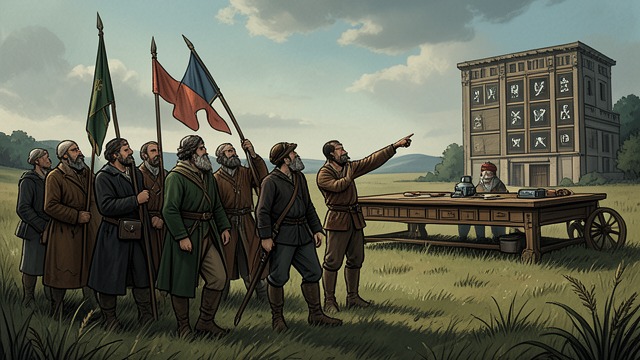
Unequal Titles
Natural Equality
Paine begins from the claim that people are originally equal. Differences of sex or moral character do not justify dividing humanity into kings and subjects.
A Political Puzzle
Royal rank appears to elevate one person above others without a natural or religious basis. Paine asks how such a distinction could be legitimate.
The Scriptural Challenge

The Scriptural Challenge
Rejected Rule
Paine cites the refusal of Gideon and the warning delivered by Samuel to argue that scripture opposes Israel’s request for a king. He interprets the episode as a warning against monarchy.
Power’s Demands
The king described in the account takes labor, property, and service from the people. Paine reads this as a portrait of the burdens royal government imposes.
Royal Authority Sanctified
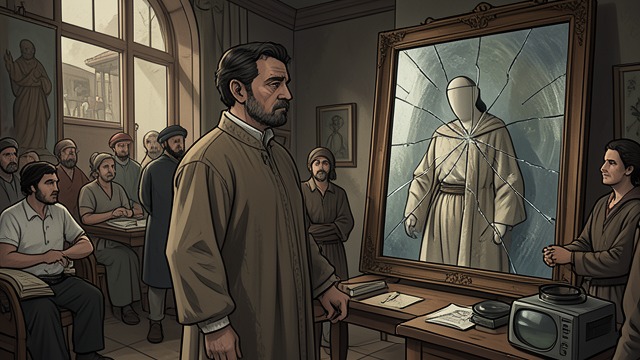
Royal Authority Sanctified
Human Rule Made Sacred
Paine objects to the language of sacred majesty, which places a mortal ruler beyond ordinary judgment. To him, such reverence confuses political office with divine authority.
A Warning About Idolatry
He argues that subjects are taught to treat monarchs as objects of worship. This political habit, he says, obscures responsibility for abuses committed in a ruler’s name.
The Crown’s Political Leverage
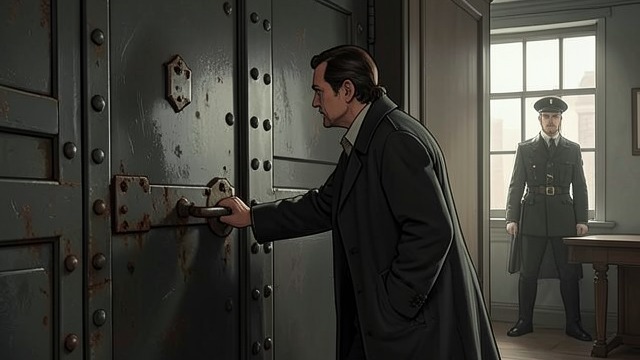
The Crown’s Political Leverage
A Flawed Check
Paine questions the claim that king, peers, and commons reliably check one another. The arrangement can disguise competing privileges as a system of balanced liberty.
Influence Through Patronage
The Crown’s control over offices and pensions, in Paine’s account, can bend representatives toward royal interests. Formal restraints may fail when one power controls the means of influence.
Republican Rule Preferred
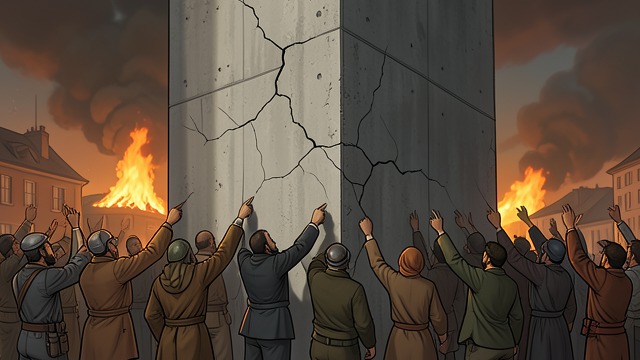
Republican Rule Preferred
Public Responsibility
Paine argues that the freedom associated with England depends more on the character of its people than on monarchy. Republican representation is the constitution’s valuable element.
A Different Principle
He points toward government grounded in public choice rather than royal authority. The critique of monarchy thus supports a broader case for self-government.
At the start of the monarchy argument
As Paine turns to biblical history
In Paine’s discussion of political worship
During the comparison with England’s constitution
Near the close of the monarchy discussion
